The Art of Signwriting
The Last of the Letter Painters
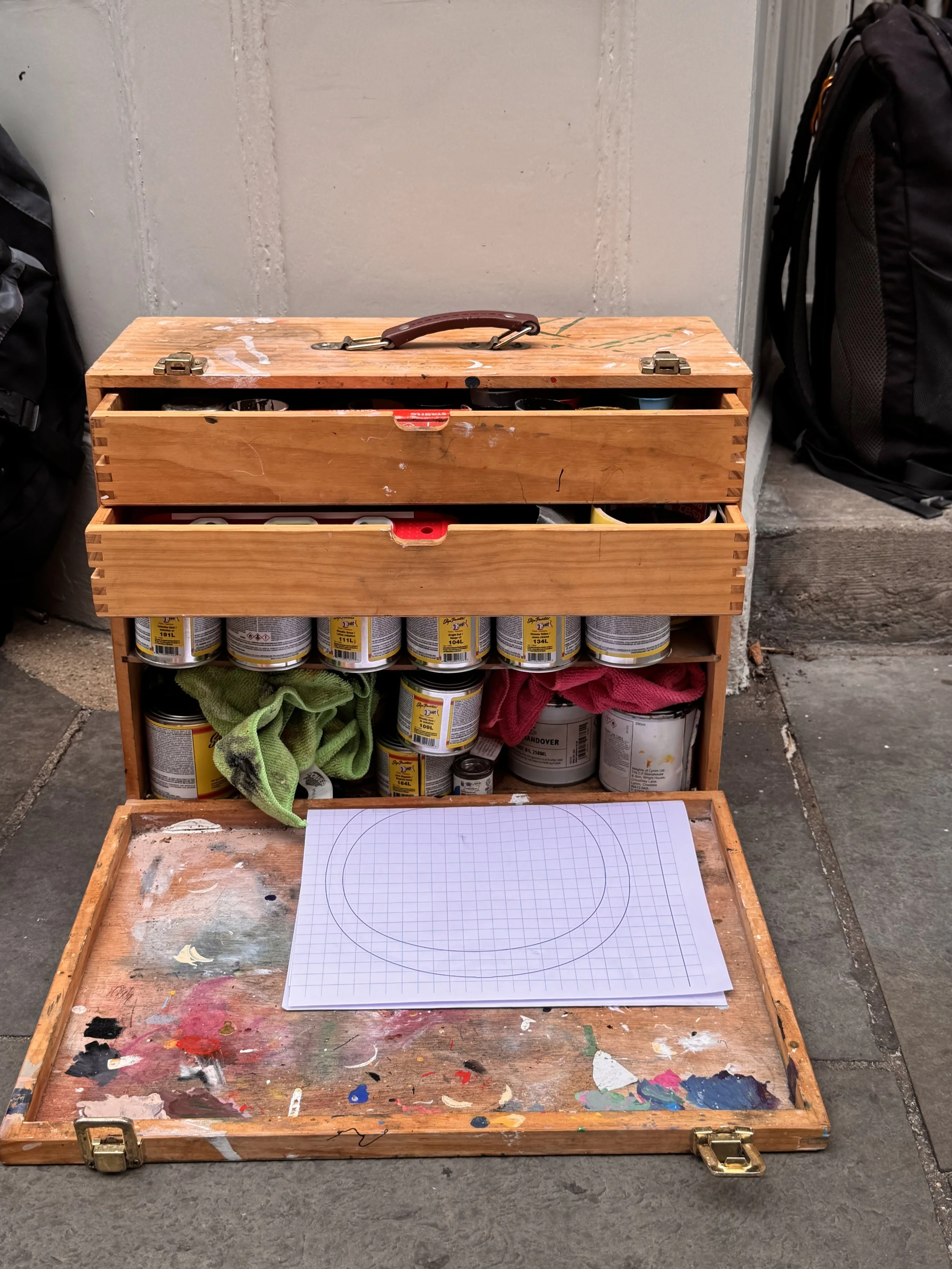
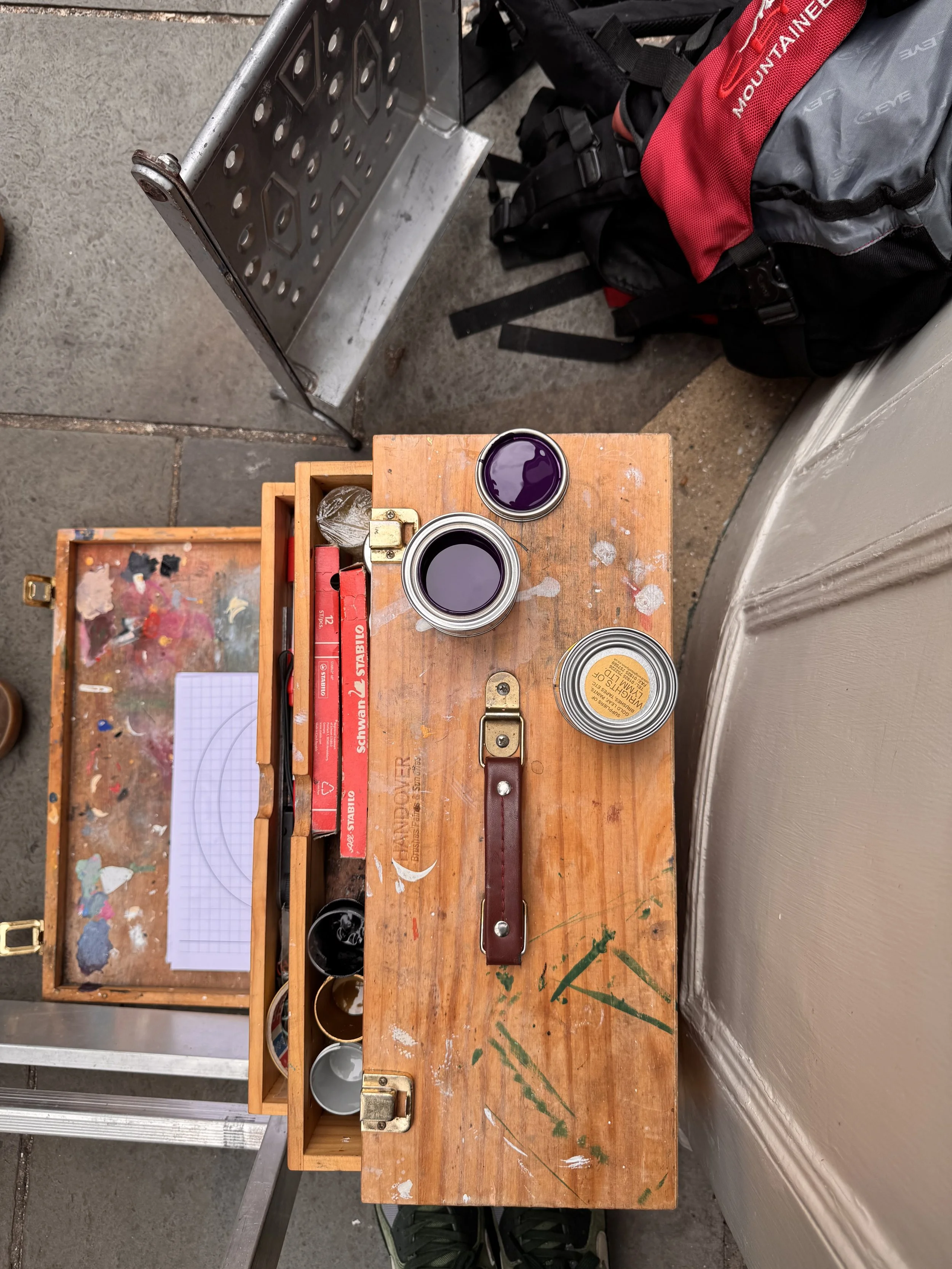
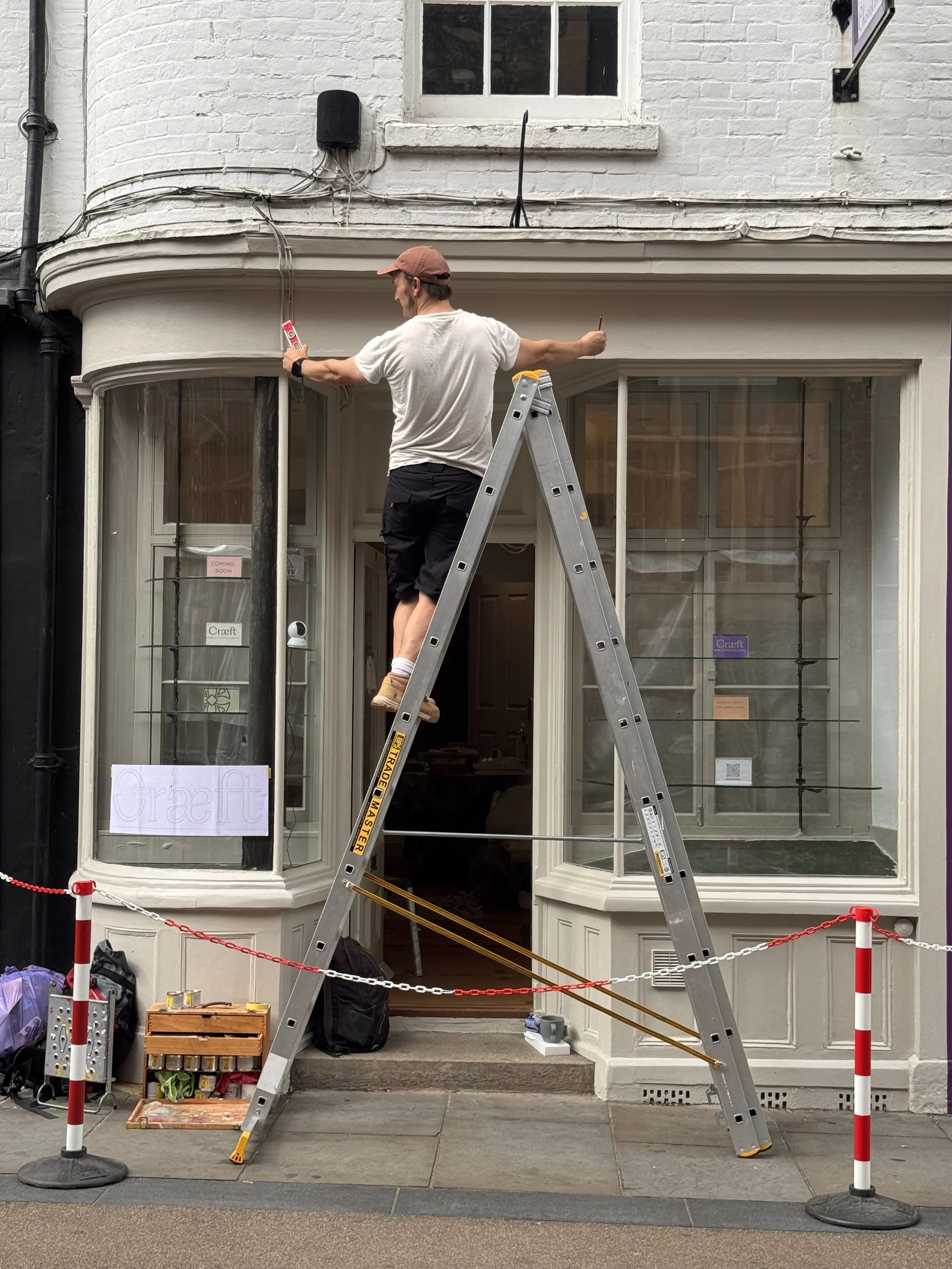
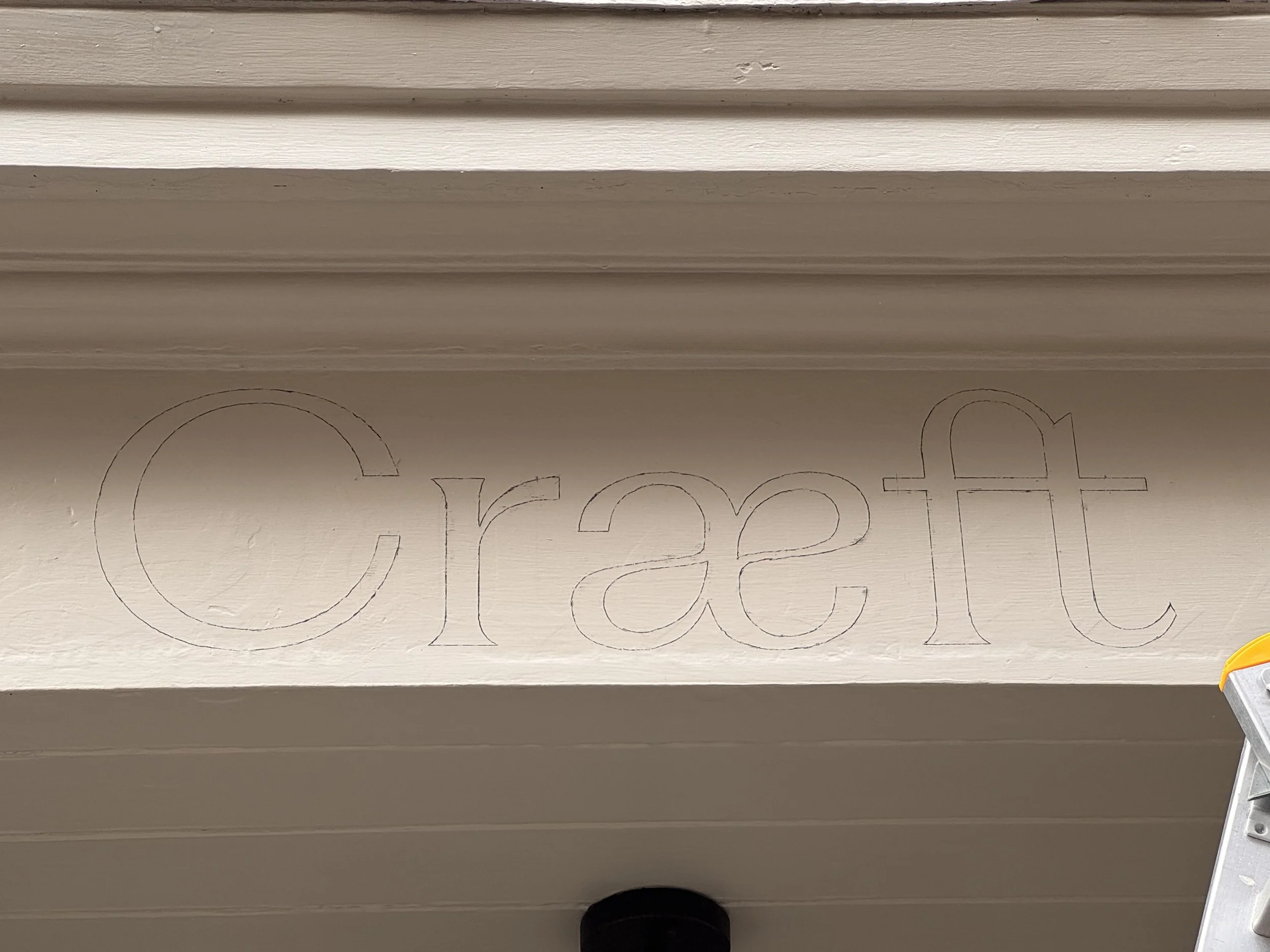
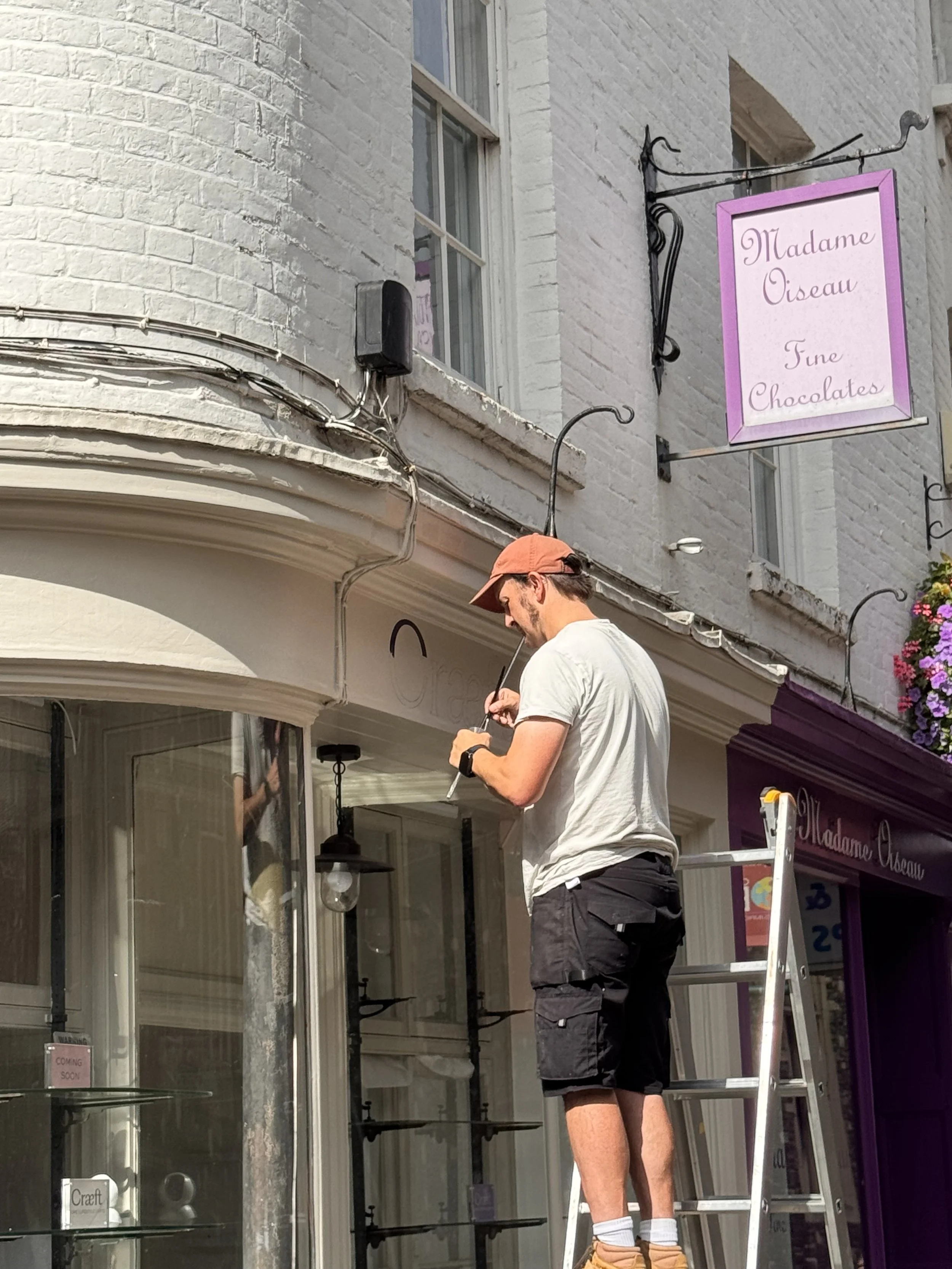
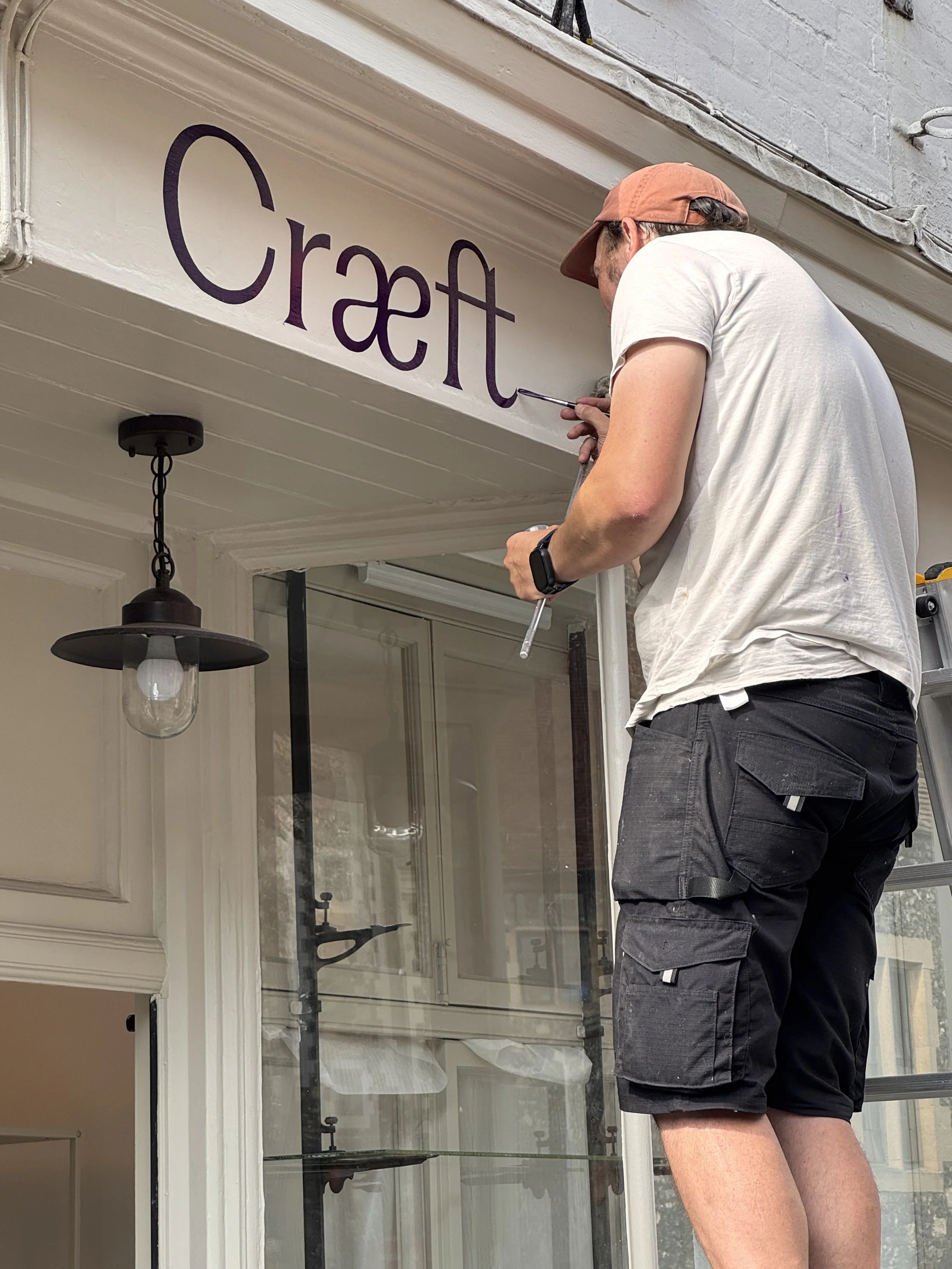
Walk down almost any British high street built before the 1960s and, if you look up past the plastic fascias and vinyl decals, you'll still find them: hand-painted shop names in gold leaf and glossy enamel. Traditional sign writing uses slow-drying oil-based enamel, applied freehand with a long-haired brush — a sword liner or quill, depending on the stroke needed. There's no tape, no stencil, no vinyl cutter, just chalk-drawn layout and a single confident pull of the brush for each letter, a skill that can take a decade to properly master. Get the pressure or angle wrong and the letterform collapses; there's no undo, only a wipe of white spirit and another go.
Self-adhesive vinyl lettering arrived in the 1980s and did to sign writing what desktop publishing did to typesetting: cheaper, faster, endlessly repeatable. For a couple of decades it looked as though the hand-painted sign might vanish from Britain's streets entirely, kept alive only by a handful of pub breweries and heritage-conscious councils. But in recent years something has shifted, hand-lettered fascia signals something vinyl can't: permanence, craft, care. Apprenticeships are small but no longer non-existent, and a new generation — often arriving via graffiti, typography or fine art rather than the old trade route — has taken up the brush.
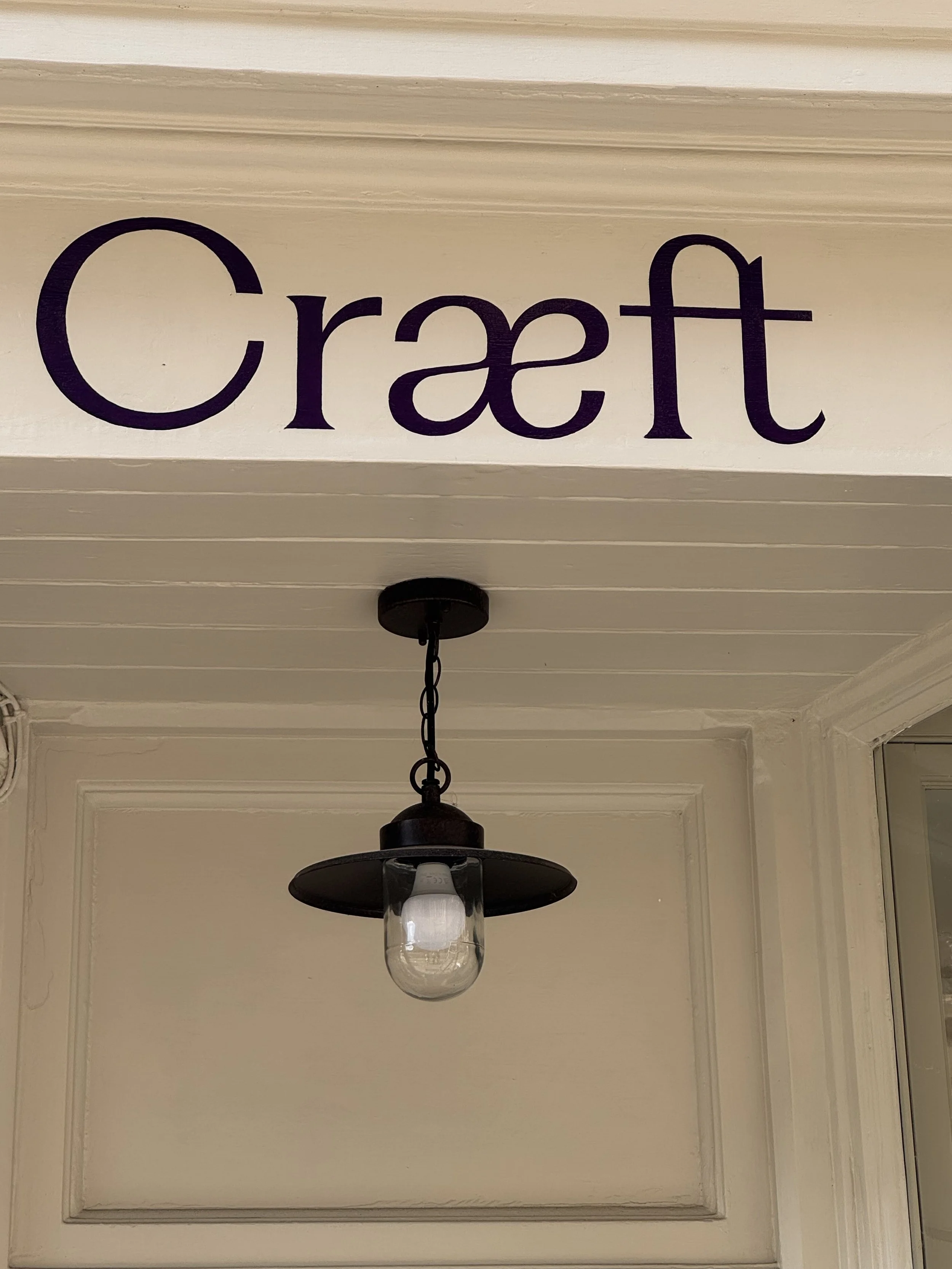
Canterbury has its own stake in this story. As one of England's oldest continuously inhabited cities, its streets are lined with the kind of pre-1960s, often listed, frontages that traditional sign writing was made for — timber-framed buildings along the High Street and The Borough where a hand-painted fascia sits far more naturally than shiny vinyl ever could. No 9, here since the 1850s, is very much part of that fabric and it was the belief that a shopfront, like a print, is better for showing the trace of the person who made it. It's a small, stubborn argument for slowness in a townscape built increasingly from vinyl and LED: proof that some things are still worth doing by hand, one careful stroke at a time.
With grateful thanks to Sign Boy, Dan Beedle www.signboy.co.uk